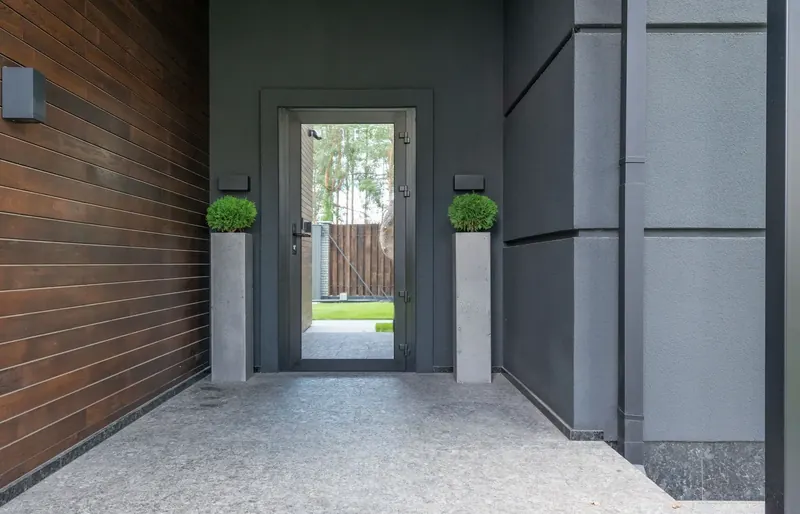
A threshold solution addresses a small change at a doorway. It needs to work with the door, weather sealing and surrounding surfaces, and should not be assumed suitable for a larger step.
Identify the exact obstruction
Is the problem a sliding door track, a raised sill or a level change between surfaces? Measure the situation as a whole rather than selecting a product from the visible height alone. Discuss the equipment and direction of travel.
Keep the door working properly
Check clearance beneath the door, screen operation and whether a ramp prevents the door from closing. External thresholds also have a weather protection role. Any alteration should preserve the intended drainage and sealing strategy.
Avoid creating a new trip point
Consider the edges, stability and how other household members cross the area. Loose or poorly matched products can introduce a different problem. Ask whether the solution needs fixing and how it will be cleaned and maintained.
Look at the space on both sides
The approach may matter as much as the threshold itself. A tight turn, narrow doorway or small landing can still restrict access. A larger permanent route may be more appropriate than a small threshold product in some situations.
What to include in your enquiry
Tell us the property address, the activity or room that is difficult, your timeframe and whether a professional recommendation is available. There is no need to send medical records through the form.
Project suitability, the actual contracting provider, applicable credentials and any required approvals must be confirmed before building work is agreed.
Understand the enquiry and assessment process