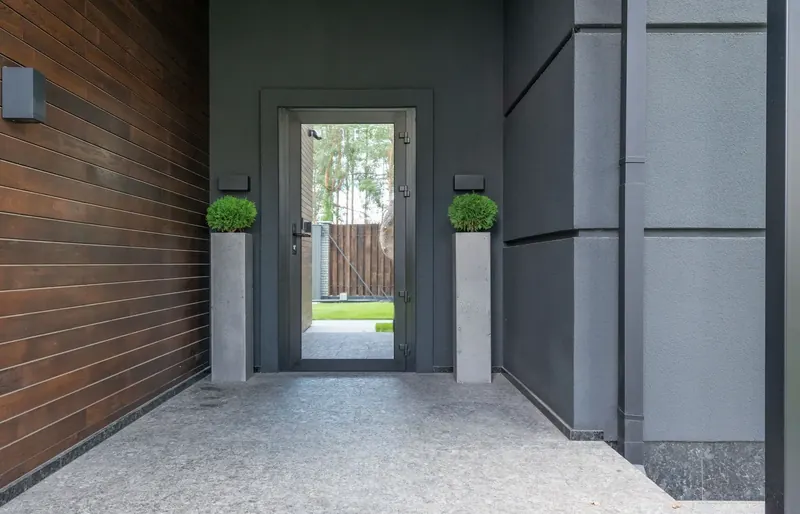
Door automation should solve a specific access problem without creating a new one. The opening, controls, locking, power supply and operation during an interruption need to be considered together.
Identify what makes the door difficult
The issue may be a heavy leaf, closer, handle position, narrow approach or needing to hold the door while moving through. A simpler hardware change may suit some situations; others may need specialist automation.
Check the existing door and frame
The supplier needs to assess the door type, condition and compatibility with an operator. Weather sealing, security and screen doors can complicate the arrangement. Do not assume a standard operator will suit every residential entrance.
Choose controls around the user
Discuss reach, visibility and how the door will be activated. Consider carers, visitors and other household members. The intended control method should be demonstrated and assessed before the product is selected.
Ask about safe operation and maintenance
Confirm how the system manages obstructions, manual use, power loss and servicing. Any building, electrical or security work should be clearly allocated. Ask the supplier to document the final operating instructions.
What to include in your enquiry
Tell us the property address, the activity or room that is difficult, your timeframe and whether a professional recommendation is available. There is no need to send medical records through the form.
Project suitability, the actual contracting provider, applicable credentials and any required approvals must be confirmed before building work is agreed.
Understand the enquiry and assessment process